
The Best Hydraulic Power Units Manufacture
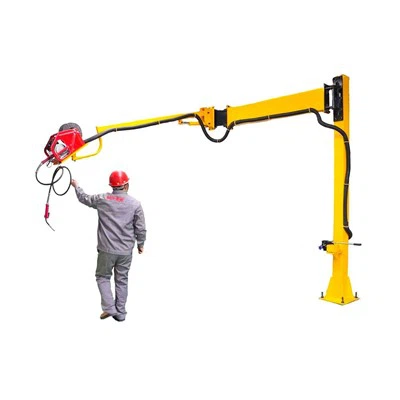
Our company located in Tai'an, Shandong, China, is a machinery and equipment manufacturer with a history of 15 years. Successfully developed a welding machine space arm and a hydraulic pump station with intellectual property patents.
Why Choose Us
World-wide expertise
We know international markets and trends. Our expertise, experience and network cover all corners of the world.
Quality Control
We have built a professional QC team to accurately inspect every raw material and every process of production.
Professional team
Professional sales team and engineer team provide professional technical Support,Test video and Sample support.
Customer Satisfaction
Providing after-sales services can enhance customer satisfaction by ensuring that customers' needs are met even after the purchase. This can lead to increased customer loyalty and positive word-of-mouth referrals.
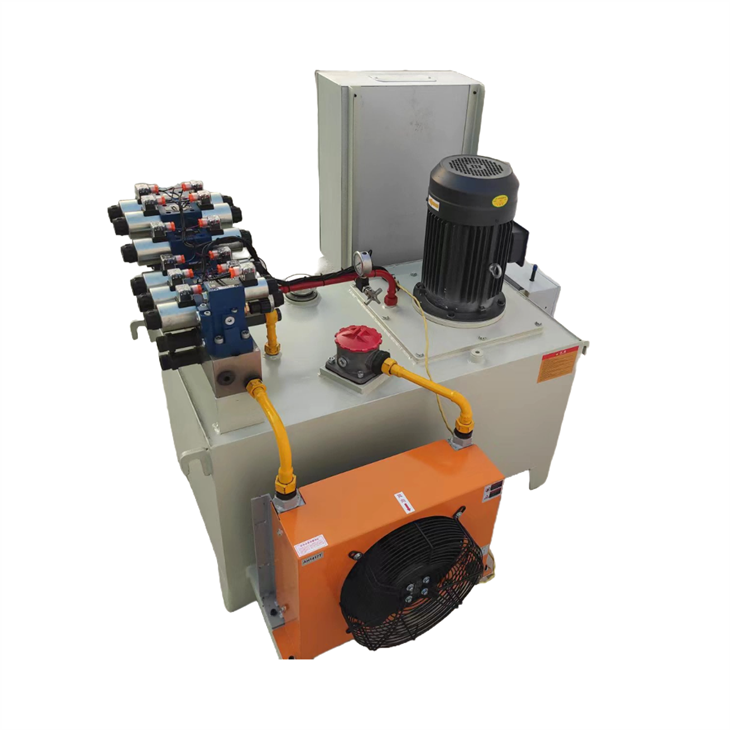
Gear Pump Hydraulic Power Pack
Our company located in Tai'an, Shandong, China, is a machinery and equipment manufacturer with a history of 15 years. Successfully developed a welding machine space arm and a hydraulic pump station with intellectual property patents.
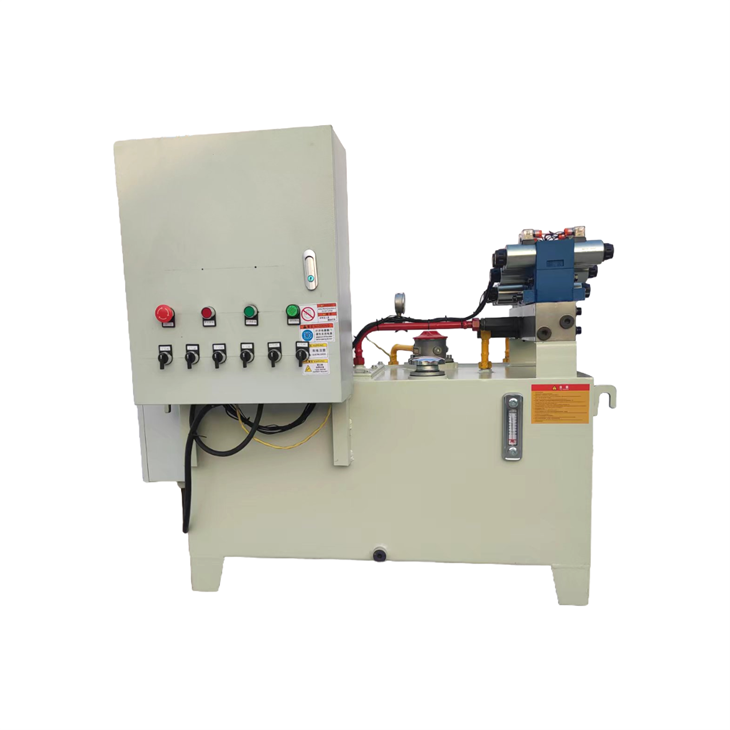
Wane Pump Hydraulic Power Pack
The products are widely used by many well-known enterprises, which greatly improves the on-site management level and product quality of customer enterprises.
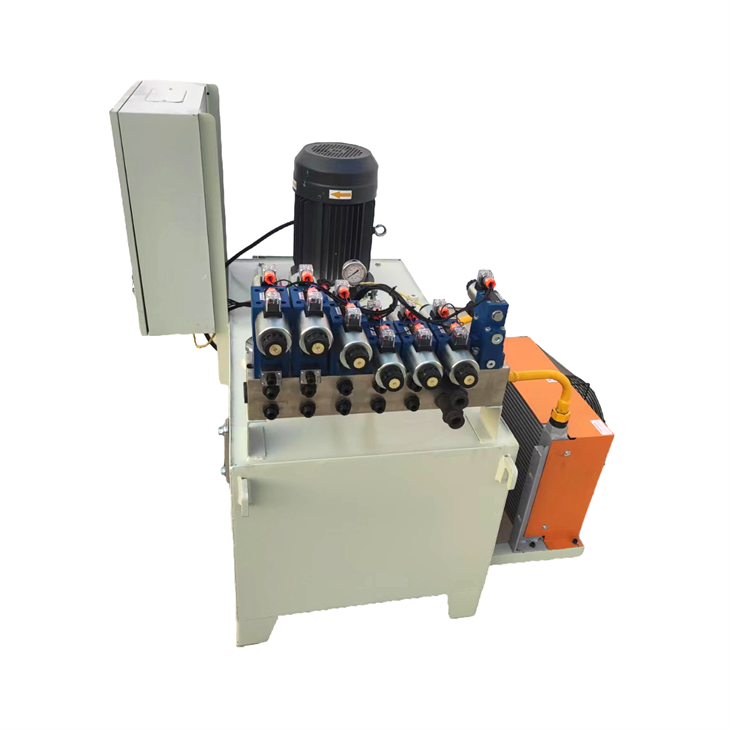
Piston Pump Hydraulic Power Pack
Successfully developed a welding machine space arm and a hydraulic pump station with intellectual property patents.
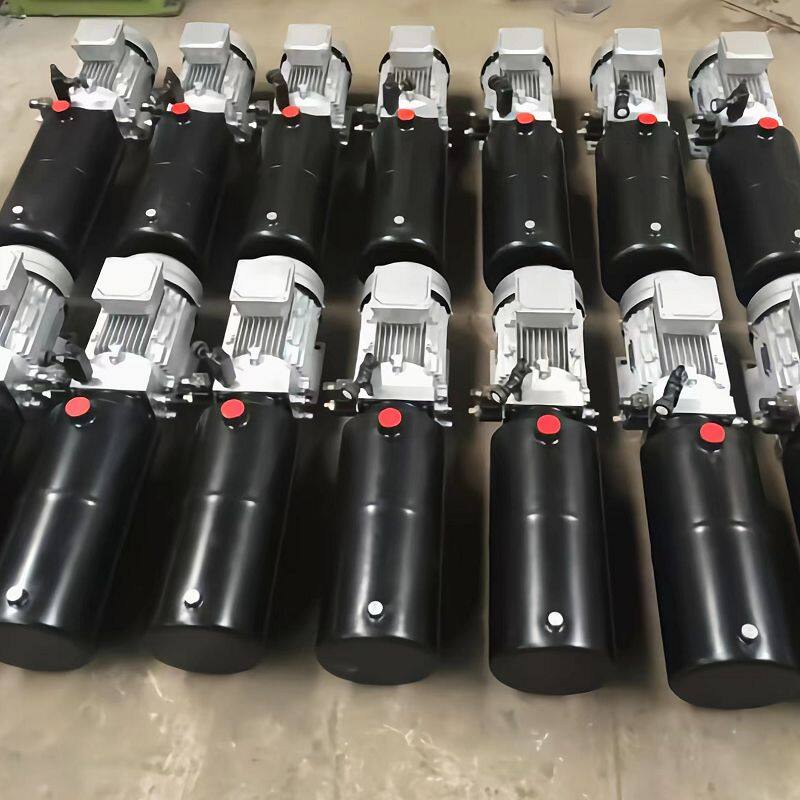
We continue to improve according to the feedback from the domestic and foreign markets, and now we have a full range of multi-model space arm products.
What Is Hydraulic Power Units
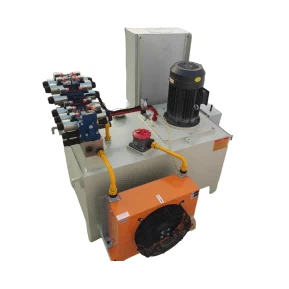
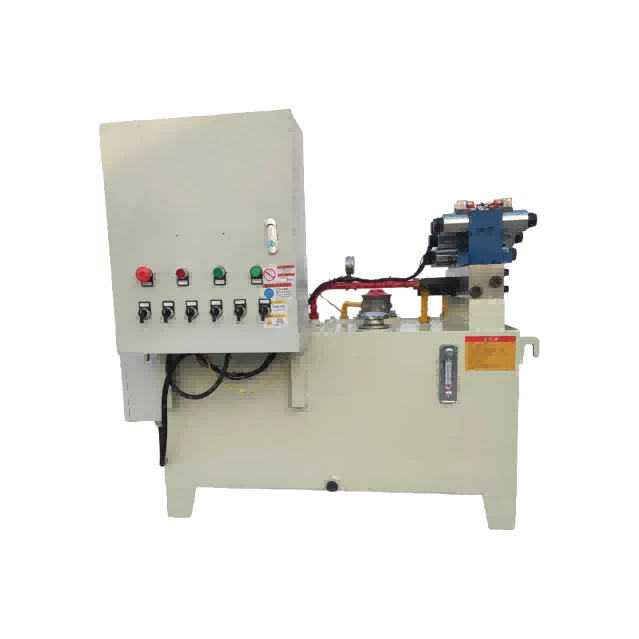
A hydraulic power unit is a self-contained system that consists primarily of a motor, a hydraulic pump, and a reservoir. It converts mechanical power into hydraulic energy – a combination of flow and pressure used by a variety of machinery and equipment.
High Power Density: Hydraulic systems can generate a significant amount of force and power from a relatively small and compact unit, making them ideal for applications with space constraints.
Precision and Control: HPUs provide precise control over the movement and force of actuators, allowing for accurate and repeatable operations.
Durability and Reliability: Hydraulic systems are known for their durability and reliability, with components like deep groove ball bearings contributing to their long lifespan and minimal maintenance requirements.
Versatility: HPUs can be customized to meet the specific needs of different applications, making them highly versatile and adaptable.
Energy Efficiency: Hydraulic systems are energy-efficient, converting mechanical energy into hydraulic energy with minimal losses.
Components of a hydraulic power unit
Motor. The unit's engine is responsible for converting electricity to mechanical energy. The engine generates a hydraulic torque which defines the primary function of the unit as the main power source. The unit's motor is either AC or DC operated.
Hydraulic pump. The hydraulic pump component of the unit produces hydraulic pressure from mechanical energy. The motor drives the pump to provide the necessary force and flow required by the actuator. The various types of hydraulic pump include a gear pump, piston pump, and vane pump.
Pressure control valve. A pressure-relay type of hydraulic power pack has a relief valve, a sequence valve, and a pressure relief valve. Depending on the application, these valves operate with a particular action sequence.
Directional control valve. Similar to pressure control valves, compact hydraulic power units are typically comprised of various types of directional control valves. These are shuttle valves, solenoid valves, check valves, hydraulic control valves, and many others. In proportion to other components of a power pack, directional control valves are the largest.
Flow control valve. This component's purpose is to control movement speed by switching the flow area and control flow.
1. Check the oil level in the tank, fill it when it is reduced.
2. Check the foam on the surface of the working liquid to make sure it's air or water.
3. Detection of leaks in drains and connections.
4. View and check the operation of the temperature stabilization system.
5. Control the filter contamination level indicator.
6. Check the valve setting on the pressure gauge.
7. Check the electromagnetic supply voltage of the control device.
4 Buying Tips When Choosing Between Electric And Hydraulic Power Packs
Power Requirements
Think about the power requirements of your application. Hydraulic power packs are more powerful than electric ones, so if you need a lot of torque or lifting capacity, hydraulic is the way to go. Electric power packs are more suitable for lighter applications.
Environment
You should also consider the environment in which the power pack will be used. If it will be exposed to dust, dirt, or water, electric is a better option because it is less likely to be damaged by these elements. Hydraulic power packs are more durable, but they can be more difficult to keep clean.
Application
If it will be used frequently, electric is a better choice because it is less likely to overheat with frequent use. Hydraulic power packs can overheat if they are used too often, so if you only need occasional use, they may be a better option.
Hydraulic power packs are better suited for heavy-duty applications, while electric power packs are more versatile and can be used for a wider range of applications.
Budget
Consider your budget when choosing between an electric and hydraulic power pack. Hydraulic power packs are typically more expensive than electric ones, but they offer more power and durability.
Hydraulic Principles The operation of hydraulic power units is governed by Pascal's Law, which states that pressure exerted on a confined fluid is transmitted equally in all directions. This principle enables precise control and amplification of force within hydraulic systems.
Pascal's Law and Its Application Understanding Pascal's Law is fundamental as it underscores the capability of hydraulic systems to multiply force through fluid pressure, enabling heavy lifting and precise movements.
Transmission of Force Through Hydraulic Fluid Hydraulic fluid acts as the medium for transmitting force from the pump to hydraulic actuators and motors, converting hydraulic pressure into mechanical work.
Operating Mechanism HPUs utilize control valves to regulate the flow and pressure of hydraulic fluid, ensuring smooth operation and safety. These valves play a crucial role in directing fluid to actuators and adjusting pressure levels as per operational requirements.
Control Valves and Their Functions Directional control valves manage the flow direction of hydraulic fluid, while pressure control valves regulate system pressure to prevent overloading and ensure consistent performance.
Pressure Regulation and Adjustment Adjusting pressure settings in HPUs is critical for optimizing performance and efficiency, allowing operators to fine-tune force output based on specific tasks and environmental conditions.
Applications of Hydraulic Power Units
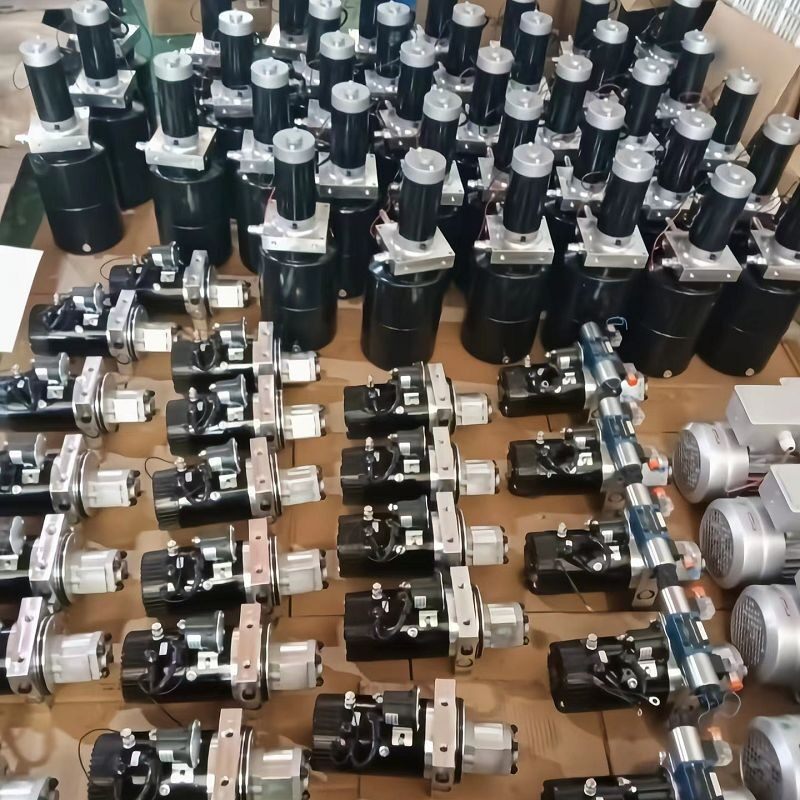
Hydraulic Power Units are the driving force in many industrial applications. Their ability to produce immense amounts of power in a controlled manner makes them ideal choices for sectors such as:
Industrial Manufacturing: Injection moulding machines, metal forming presses, and conveyor system operations rely on HPUs for precision and power.
Marine: Steering systems, stabilisers, and hoists on ships utilise HPUs for their strength and reliability in harsh environments.
Aerospace: Aircraft use HPUs for actuating landing gear, flight control surfaces, and other vital operations.
Motorsport: Racing teams use hydraulic power units for vehicle jacks and to operate various equipment quickly and efficiently.
How Should Your Hydraulic Power Unit Be Powered
A hydraulic power unit incorporates a motor to drive the hydraulic pump. This is usually an electric motor or a combustion engine, but you can also find units powered by air or with a hydraulic motor to obtain a higher pressure hydraulic circuit from an existing circuit.
Electric motor
You can find hydraulic power units with electric motors powered by alternating current (AC) or direct current (DC). Direct current motors are used on hydraulic power units mounted on vehicles (i.e. commercial vehicles or forklifts) and are powered by a battery, while alternating current motors are used on hydraulic power units in workshops or factories.
Combustion engine
When you don't have an electrical source available and the hydraulic power unit is intended for outdoor use, you can choose a hydraulic power unit powered by a gasoline, diesel or gas combustion engine. The combustion engines on the market cover a wide range of needs.a single-cylinder gasoline engine can develop power starting at 4 HP (about 3 kW), and you can find diesel or gas engines over at 100 HP (about 73 kW).
Air-driven
You can consider using an air-driven hydraulic power unit when you have a pneumatic circuit available, which allows you to obtain pressure ratios up to 400:1. This solution can be advantageous if your hydraulic power unit has to operate in an explosive atmosphere, for example.
What Are The Introductory Basics Of Hydraulic Power Units
Provide Hydraulic Power
Hydraulic power packs generate the hydraulic fluid power required to operate machines and equipment. They play a critical role in systems that require significant lifting, force, or movement.
Operating Industrial Machinery
They are used in a variety of industrial applications, including manufacturing, building, and mining, to power hydraulic machinery like presses, lifts, and cranes.
Mobile and Stationary Apps
Hydraulic power packs are used in both mobile and stationary applications (e.g., construction equipment, agricultural machinery, industrial presses, and machine tools).
Efficiency and Control
They provide exact control over the movement and functioning of hydraulic machinery, ensuring efficiency and consistency in performance.
Customizable Solutions
Hydraulic power packs can be tailored to individual requirements, such as pressure levels, flow rates, and combinations, making them suitable for a variety of applications.
Types of Hydraulic Power Units
Hydraulic power units (HPUs) come in various types, each designed to meet specific requirements in terms of power, size, and application. Selecting the right type is crucial for optimal performance and cost-effectiveness.
Compact Hydraulic Power Units
Compact hydraulic power units are ideal for applications where space is a premium. Despite their small size, they often deliver impressive power relative to their dimensions. These units typically have lower power capacities but are highly efficient for their size. They are commonly used in mobile applications, light industrial machinery, and where the installation space is limited. Compact HPUs offer the advantage of being easier to install and maintain due to their smaller size and simpler design.
Mobile Hydraulic Power Units
Designed for applications that require movement, mobile hydraulic power units are built to withstand varying environmental conditions. They are commonly found in construction equipment, agricultural machinery, and in any application where portability is key. Mobile HPUs need to balance power and efficiency with ruggedness and reliability. They often feature robust designs to endure harsh operating conditions, and their power output can vary significantly based on the application.
Industrial Hydraulic Power Units
Industrial hydraulic power units are designed for heavy-duty applications and are typically larger and more powerful. They are commonly used in manufacturing, mining, and other industries where high power and continuous operation are required. These units can handle higher pressures and flow rates, making them suitable for driving a wide range of industrial machinery. Industrial HPUs are often custom-designed to meet specific operational requirements, including power capacity, size, and environmental considerations.
Customized Hydraulic Power Units
Customized hydraulic power units are tailored to meet unique requirements of specific applications. They offer the flexibility to select components, power capacity, size, and design specifications that standard units cannot provide. This customization allows for precise control over factors like power output, efficiency, cost, and size, ensuring that the unit perfectly fits the application. Customized HPUs are ideal for specialized industrial processes, unique mobile applications, or when standard units cannot meet the specific demands of a task.
Our Factory
We continue to improve according to the feedback from the domestic and foreign markets, and now we have a full range of multi-model space arm products. The products are widely used by many well-known enterprises, which greatly improves the on-site management level and product quality of customer enterprises.

FAQ
Q: How to choose a hydraulic power unit?
Q: How do hydraulic power units work?
Q: What are the three main components of a hydraulic power unit?
Q: What is the efficiency of a hydraulic power unit?
Q: How is hydraulic power measured?
Q: What are the different types of hydraulic power units?
Q: How do you calculate hydraulic power unit design?
Q: How is hydraulic power transmitted?
Q: What is the working principle of hydraulic unit?
Q: What are the applications of hydraulic power unit?
Q: What is the pressure of a hydraulic power pack?
Q: Which pump is used in a hydraulic power pack?
Q: What affects hydraulic efficiency?
Q: How efficient is hydraulic motor power?
Q: Which type of component is used in hydraulic power unit?
Q: What is part of hydraulic power unit?
Q: Which fluid is used in hydraulic power systems?
Q: What is the importance of hydraulic power unit?
Q: How do you calculate hydraulic power pack capacity?
Now we are require discharge is.
Q fast = . Area x velocity.
Q fast =. 0.01539 x 6 = 0.9234 m3.
Q fast = 92.34 LPM.
Q pressings = . Area x velocity.
Q pressings =. 0.01539 x 0.9 = 0.013851 m3.
Q pressings = 13.85 LPM.
Q: What is the efficiency of a hydraulic power unit?
| Product Name | XT Series Hydraulic Power Pack |
| Rated Pressure | 6.3-31.5Mpa |
| Voltage | DC12V/24V/48V AC220V/380V |
| Tank Capacity | 4L~2000L Customizable |
| Power | 0.75~55Kw |
| FIow | 2~500L/min |
| Warranty Time | 1 Year |
| Delivery Time | 10-20Days |
| Color | Customizable |
| Size | Customizable |
Hot Tags: hydraulic power units, China hydraulic power units manufacturers, suppliers, factory, wane pump hydraulic power pack, piston pump hydraulic power pack, gear pump hydraulic power pack, hydraulic power units, hydraulic power pack